Base64编码隐藏


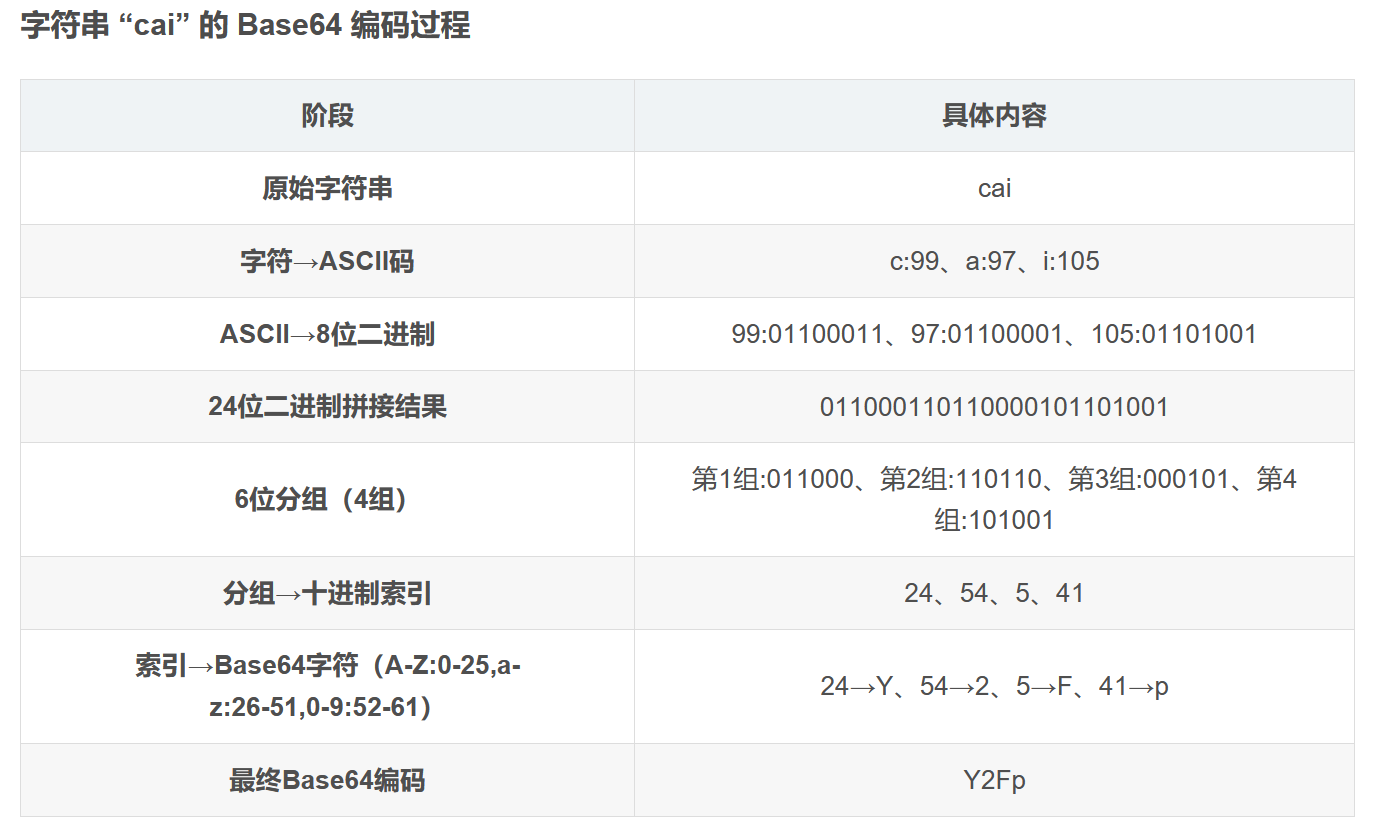
平时只知道解码,不知道base怎么来的。这里找了一个base64的具体过程:
CTF{easy_base64}
HTTP头注入

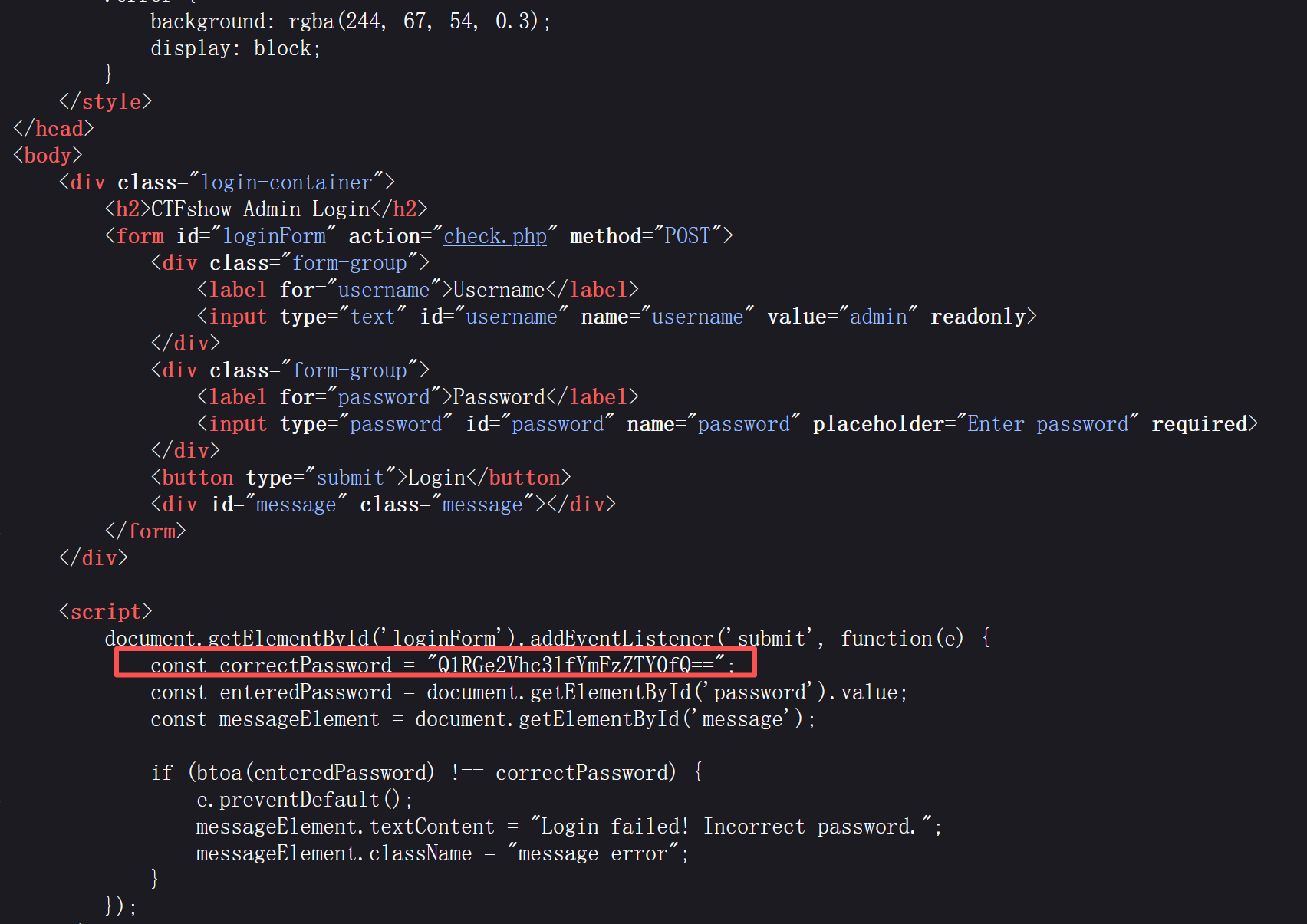
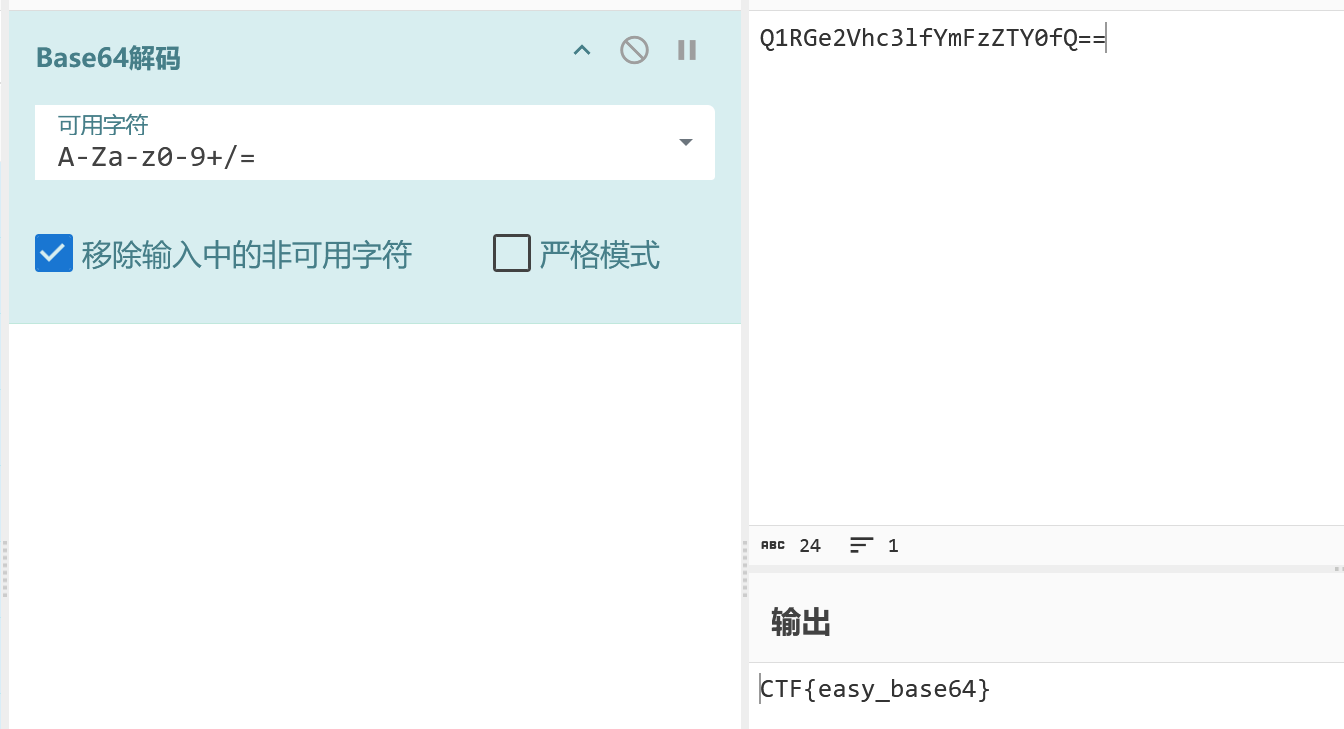 密码:CTF{easy_base64}
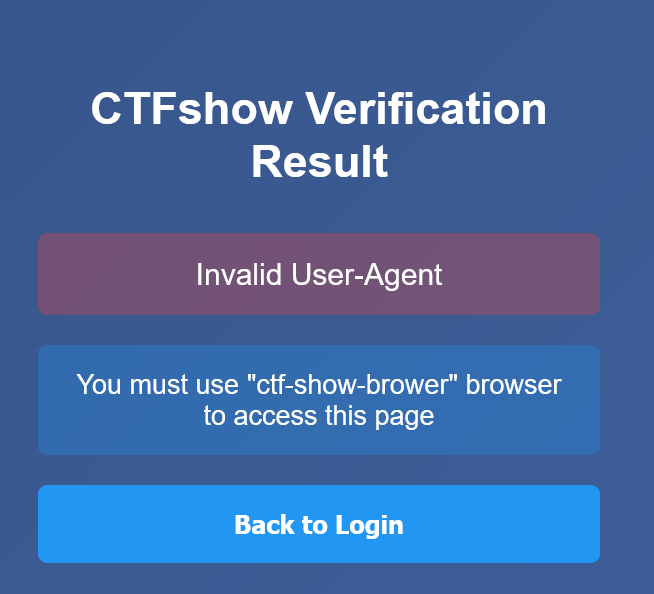
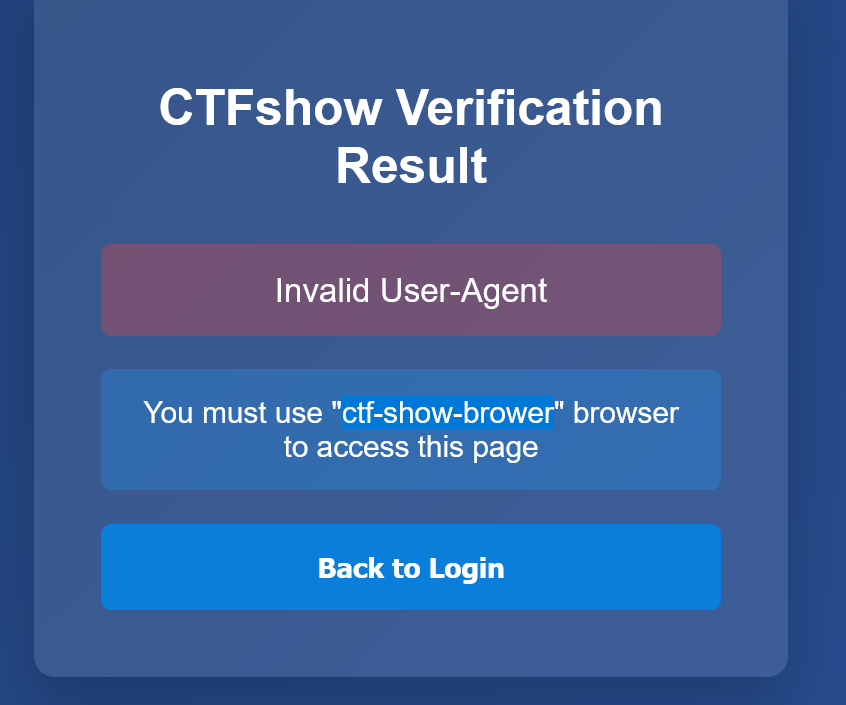
修改UA为ctf-show-brower
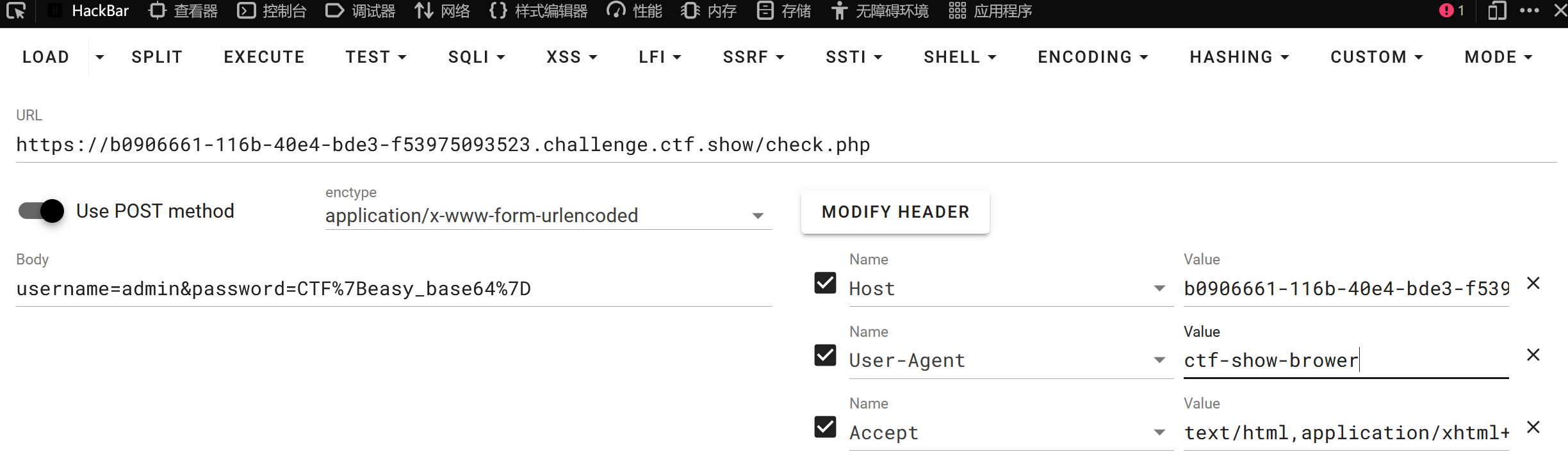
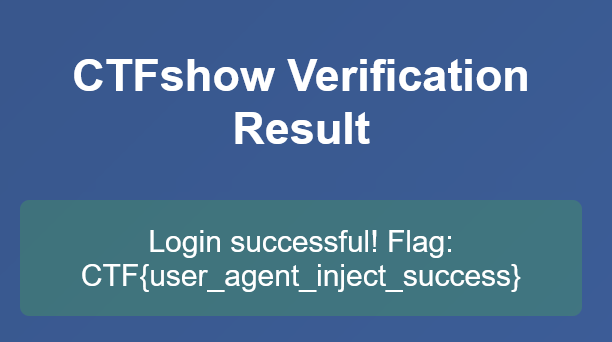
CTF{user_agent_inject_success}
Base64多层嵌套解码

1
2
3
4
5
6
7
8
9
10
11
12
13
14
15
16
17
18
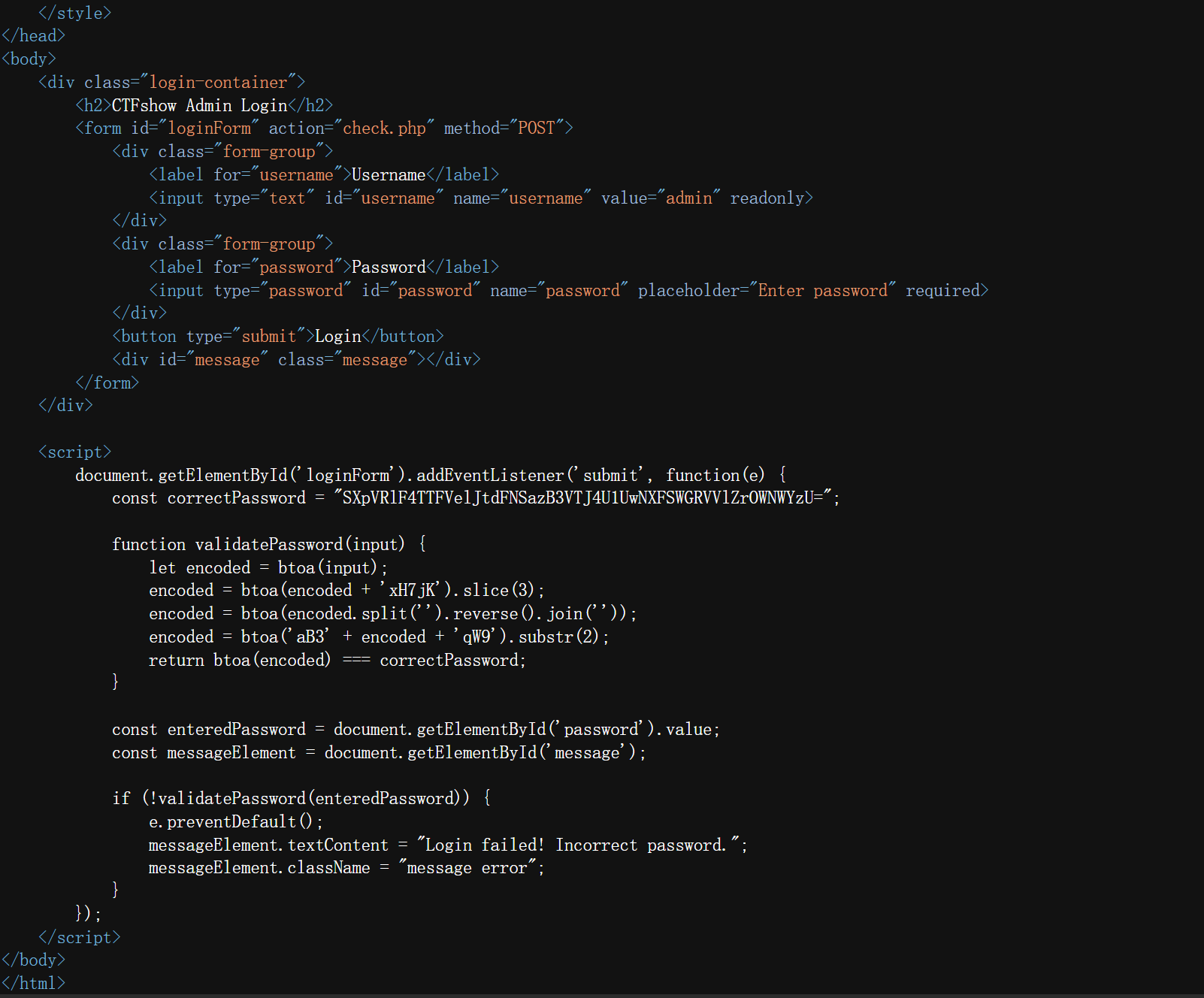
| document. getElementById('loginForm').addEventListener('submit', function(e) {
const correctPassword = "SXpVRlF4TTFVelJtdFNSazB3VTJ4U1UwNXFSWGRVVlZrOWNWYzU=";
function validatePassword(input){
let encoded = btoa(input);
encoded = btoa(encoded + 'xH7jK').slice(3);
encoded = btoa(encoded.split('').reverse(). join(''));
encoded = btoa('aB3' + encoded + 'qW9'). substr(2);
return btoa(encoded) === correctPassword;
}
const enteredPassword = document.getElementById('password').value;
const messageElement = document.getElementById('message');
if (!validatePassword (enteredPassword)){
e. preventDefault();
messageElement. textContent = "Login failed! Incorrect password.";
messageElement. className = "message error";
}
});
|
考点是 JS 逆向。

注意:
binary = 原始字节数据:JavaScript 的字符串底层就是一串字节(每个字符本质是 0~255 的数值)。这些字节可能是:
可打印字符(H、e、l…)
不可打印的(换行符 \n、空字节 \x00、乱码 \xFF…)
对计算机来说,它们都是数据、都是字节流,所以统称 “binary”(二进制数据)。
btoa(“Hello”) 的输入就是这 5 个字节:48 65 6C 6C 6F。
ASCII = 编码后的可打印文本
因为 Base64 编码后的结果,只使用 ASCII 字符集中的 64 个可打印字符:
A-Z a-z 0-9 + / =
解读题目代码:
1
2
3
4
5
| encoded = btoa(input); // 1. 密码先 base64
encoded = btoa(encoded + 'xH7jK').slice(3); // 2. 拼盐再 base64(在密码学中,通过在密码任意固定位置插入特定字符串,让散列后的结果和使用原始密码的散列结果不相符,这样一个过程我们称之为“加盐”);slice(3)指从第 3 个索引开始拿(对应第 4 个字符),也就是丢弃了前 3 个字符。为什么错开一位?因为索引从 0 开始数,而人说话习惯从 1 开始数
encoded = btoa(encoded.split('').reverse().join('')); // 3.split('')拆成单个字符数组,.reverse()数组倒序,.join('') 拼回字符串。这三步合起来的效果就是:字符串整体反转。最后再 base64 编码
encoded = btoa('aB3' + encoded + 'qW9').substr(2); // 4. 加前后缀再 base64,砍掉前2字符
return btoa(encoded) === correctPassword; // 5. 最后再 base64 一次比较
|
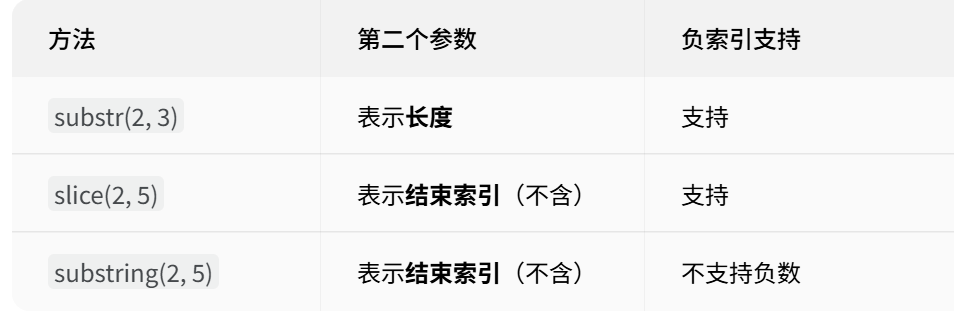
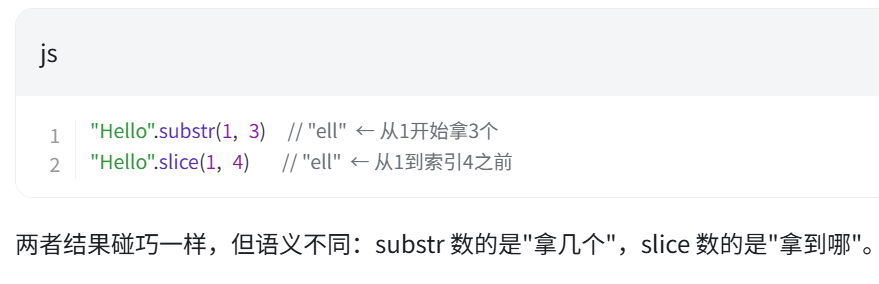
substr和slice的区别:
开始解答:

‘IzUFQxM1UzRmtSRk0wU2xSU05qRXdUVVk9cVc5’
密码:#A7316
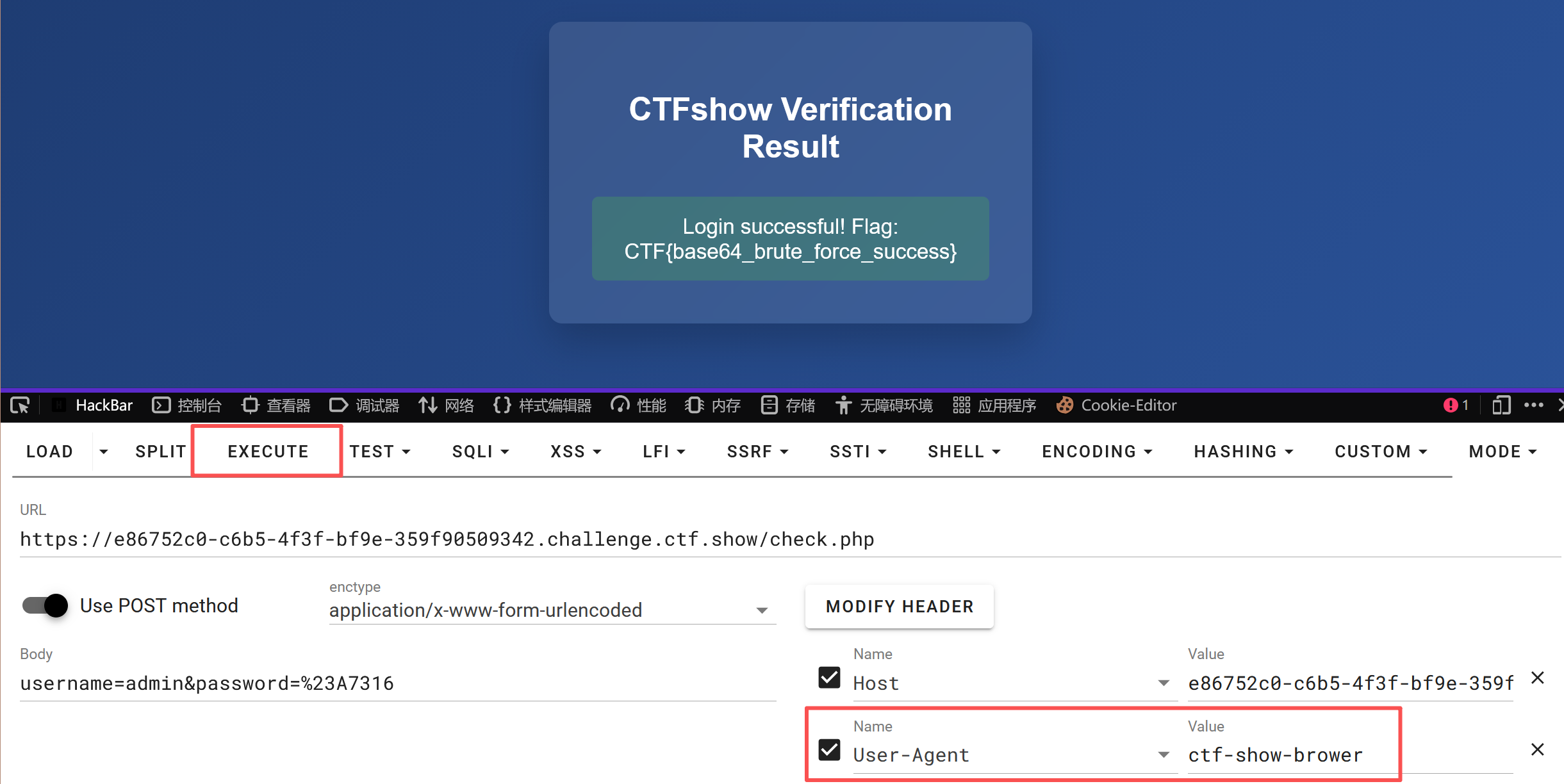
CTF{base64_brute_force_success}